

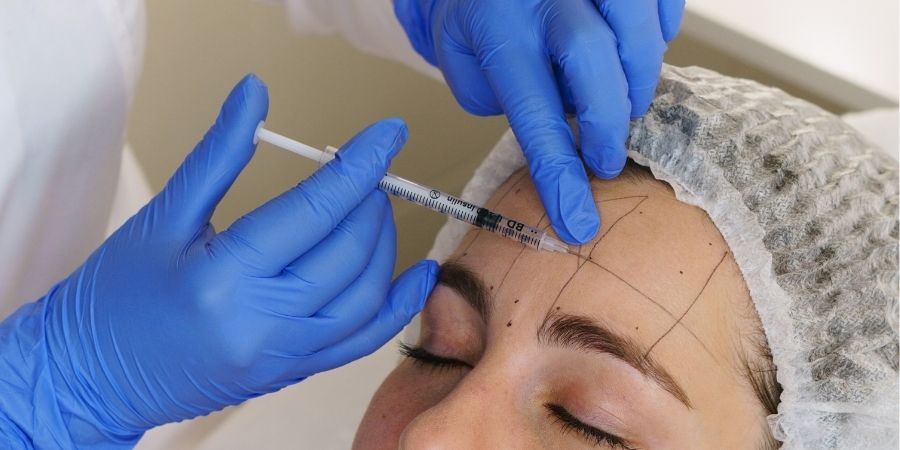
If you ask most people what anti-wrinkle injections looks like, many still picture the same thing: shiny smooth foreheads, eyebrows that don’t move, and expressionless eyes. But interestingly, surveys in aesthetic medicine show a significant shift in patient preferences, with many people now requesting the complete oppostive – they want to soften lines and not erase them, and to look “fresh” not different. That change in patient mindset has brought a not-so-new cosmetic injectables approach into the spotlight: microdosing neuromodulators.
It makes sense perfect sens, because it seems like the world is finally moving on from overfilled cheeks and lips, and faces that don’t move. Today, natural-looking treatment is the gold standard. People want to look like themselves, but just a little smoother, more youthful, as if they’ve simply been sleeping better and living well. Microdosing isn’t a trend so much as a natural evolution in aesthetic medicine, and it reflects a deeper purpose of ethical practitioners: enhancing confidence while preserving individuality.
As an injector, my philosophy has always been based in restraint, precision and ethics. Great treatment should blend in perfectly with the patient’s own features. And microdosing neuromodulators have become one of the most effective ways to achieve exactly that.
What exactly is microdosing, why is it growing so quickly in popularity, and how does it fit into safe and thoughtful aesthetic care?
What microdosing actually means
Microdosing neuromodulators means using smaller, carefully placed doses of botulinum toxin in strategic areas to soften muscle activity instead of fully relax it. Instead of aiming to “switch off” movement in places like the forehead or crow’s feet, the goal is to dial it down just enough to smooth expression lines while keeping natural animation intact.
For many patients, this approach feels more aligned with who they are. They can raise their brows, laugh, and express emotion but with fewer lines etching deeper each time. Microdosing is a calibrated approach that can work wonders with careful planning, precision and a nuanced understanding of facial anatomy. It’s important to understand that you’re not treating less, but you’re treating smarter.
Why this approach emerged
Microdosing didn’t appear overnight, it’s the result of several shifts both in aesthetic medicine and in how we see beauty.
We know now that heavy botulinum toxin doses can sometimes make muscles nearby compensate, which isn’t desirable aesthetically. We also know the skin ages in layers, and movement patterns play a role in how creases form. Along with the understanding that youthful faces move, and freezing someone’s face may result in the opposite effect and make them appear older – practitioners realised that smaller doses, used strategically, can influence expression habits without shutting them down completely.
There’s also a cultural change. Social media, HD cameras, celebrities who’ve gone too far with treatment and the availability of before-and-afters online have made people more discerning. “Done” faces are noticed quickly. Many patients today want work that no one can quite pinpoint. They don’t want comments like “have you had something done?” They want “you look fresh,” “you look relaxed,” “you look like you’ve been on holiday.”
Less is more
One of the most interesting parts of microdosing is that, from a physiological perspective, small adjustments can sometimes influence the muscle more efficiently over time. Muscles respond to repeated patterns; gradually softening movement can encourage new resting patterns and help prevent static lines forming.
There’s ongoing research into how neuromodulators impact collagen, inflammation and even mood. Some studies suggest that reducing extreme frowning may help interrupt negative feedback loops in the brain linked with stress. The face and nervous system communicate constantly; softening harsh expressions of tension can have more than just an aesthetic effect.
It’s fascinating how closely aesthetics and wellbeing intersect, and why a light-touch approach often feels so natural and restorative for patients.
Who benefits from microdosing?
This technique is fantastic for people who want subtle, precise results. That includes those new to injectables, individuals who speak publicly or rely on facial expression professionally, and patients who simply like to look like themselves, but more radiant and youthful.
It’s also particularly helpful in early ageing or as maintenance after full-dose treatments. As we age, treatment shouldn’t always escalate; in many cases, refined, consistent maintenance works better than sparse, dramatic interventions.
We also need to say that you don’t have to erase every line to age beautifully. In fact, some expression lines are part of your story, and blending authenticity with refinement is one of the strengths of microdosing.
Why microdosing is not right for everyone
Some patients will still benefit more from standard dosing, especially males, those with established static lines or stronger muscle activity. A responsible injector will always guide you honestly based on your anatomy and goals. Microdosing is a great tool but it doesn’t fit every face. What makes it effective is knowing when to use it and when to take a different route.
Technique matters
One thing that’s often misunderstood is that microdosing isn’t just “a few drops here and there.” It requires a skilled eye, a detailed understanding of muscular interplay, and precise placement. When you work with small units, each point counts. You can’t rely on volume to carry the result; you rely on great judgement and experience. This is where medical training, clinical expertise and ethical practice make all the difference. The goal is to do exactly the right amount, in the right depth and location, with the right intention.
Microdosing embraces a modern aesthetic, one that values harmony, balance and self-confidence over perfection. And in my practice, that’s always the priority: safe treatment, ethical decision-making, and results that feel aligned with who you are.
